convene
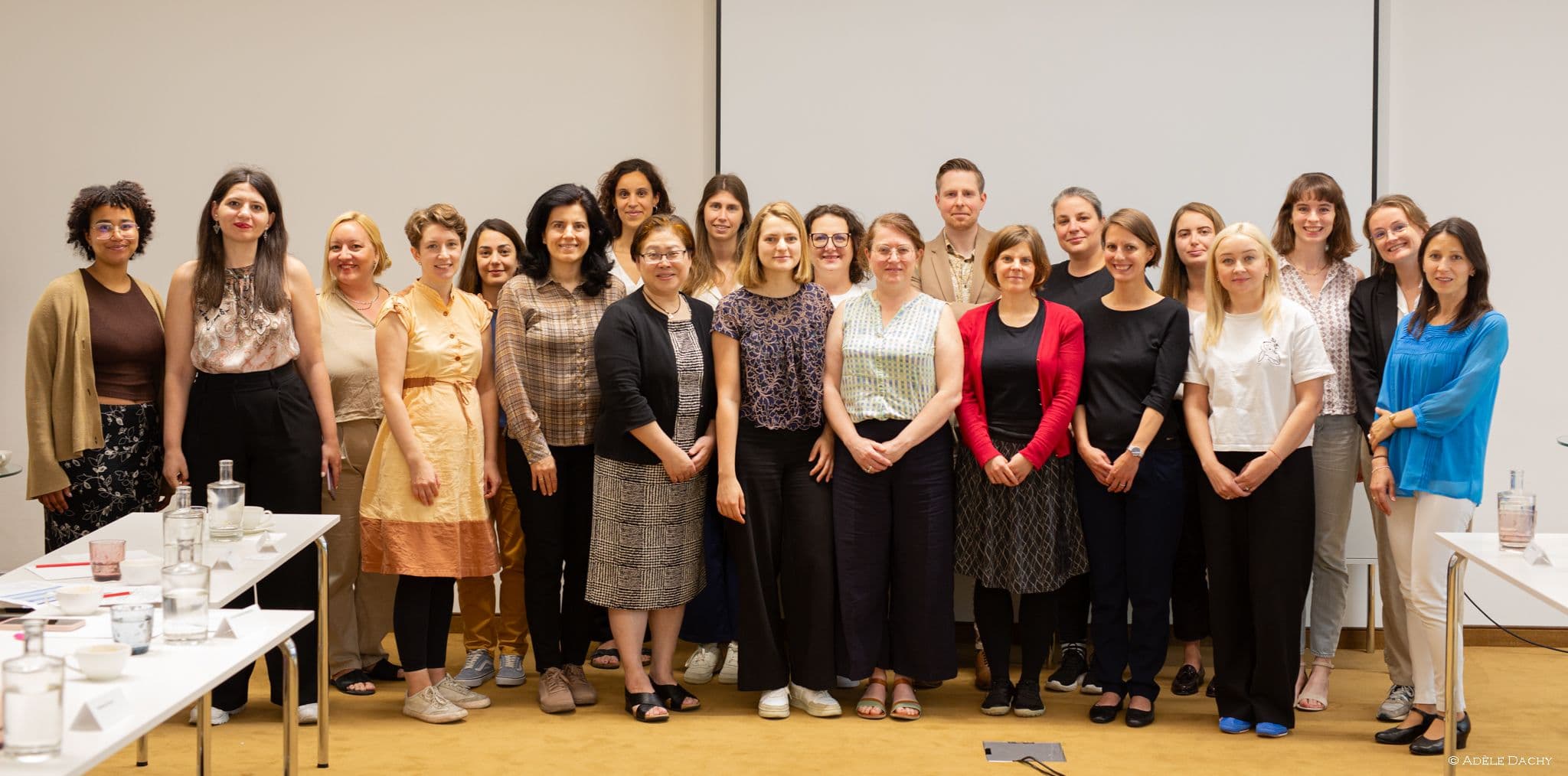
Bi-annual conferences and workshops bring scholars, practitioners, artists, and advocates into sustained crimmigration exchange.

CINETS is an international network dedicated to the critical study of crimmigration: the entanglement of criminal law, migration control, borders, citizenship, security, and social exclusion. We bring together scholars, practitioners, artists, activists, and others to examine how migration is governed through punishment, detention, deportation, surveillance, racialization, and bureaucratic control and to foster rigorous, interdisciplinary, and socially engaged conversations about justice, democracy, mobility, and human dignity.
CINETS foregrounds legal identity, rights, and networked justice — studying punitive migration control as political performance in democratic, hybrid, and authoritarian settings.
The network welcomes interdisciplinary work across migration law, criminology, political science, socio-legal studies, critical race theory, and postcolonial theory.
CINETS studies crimmigration where migration law, criminal justice, border control, detention, deportation, and citizenship meet. The network turns that work into conferences, comparative research, public writing, and shared archives.
Bi-annual conferences and workshops bring scholars, practitioners, artists, and advocates into sustained crimmigration exchange.
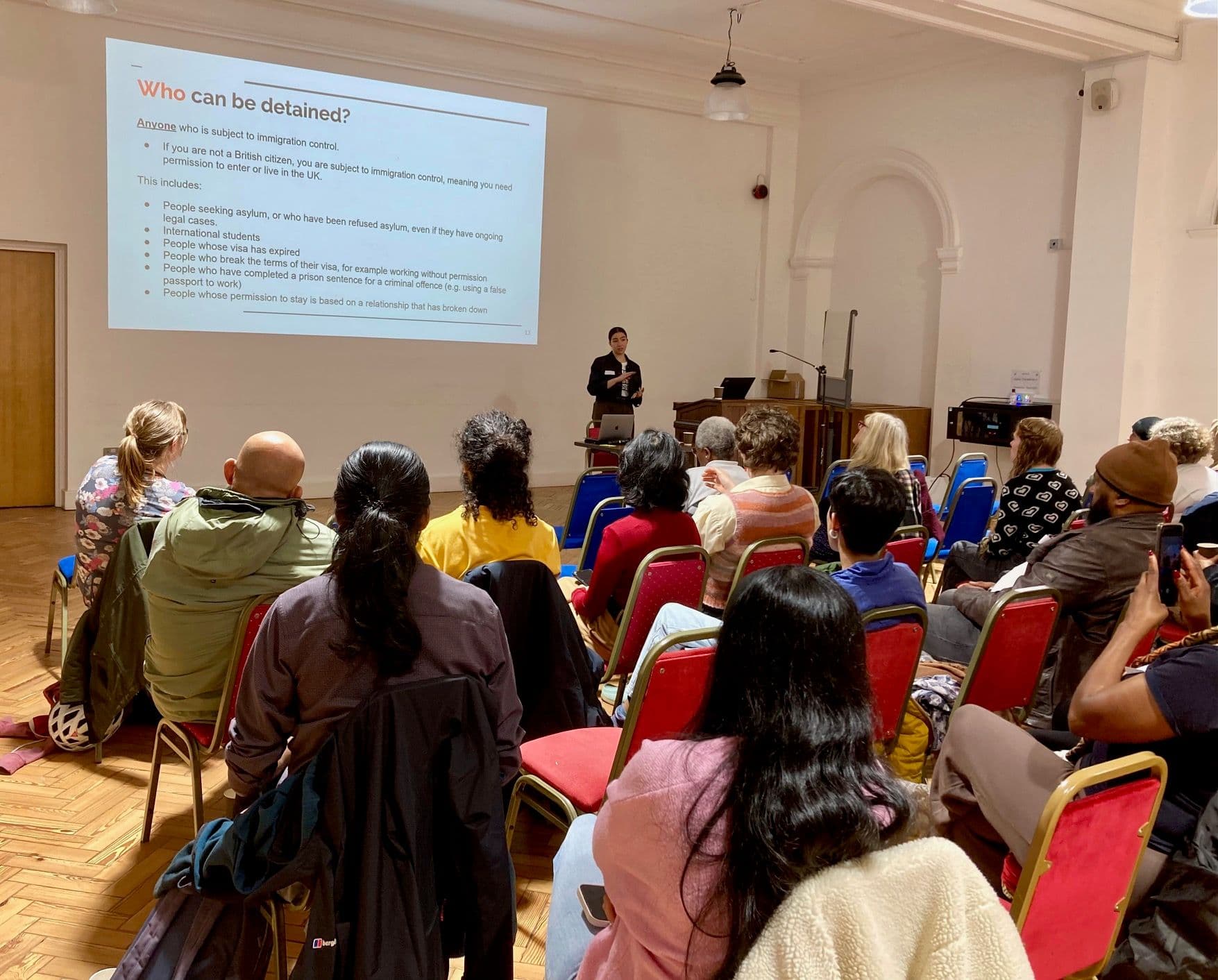
Researchers trace how criminal law, migration control, citizenship, and border regimes converge across jurisdictions.
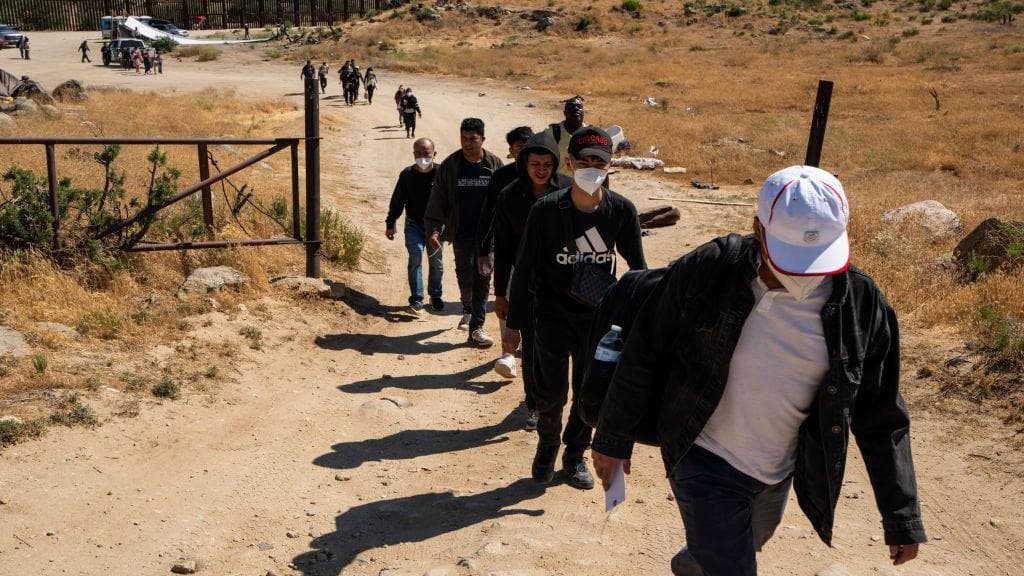
Fieldwork and legal-empirical methods examine detention, deportation, policing, externalisation, and border violence.

The network circulates books, articles, policy analysis, public writing, and conference archives for wider debate.
CINETS grew from Leiden-based crimmigration scholarship into an international network for conferences, collaborative research, fieldwork, and publishing on migration control, borders, criminal justice, and rights. Select an institution to read about its involvement.
CINETS emerged from a shared concern that the growing entanglement of criminal law, migration control, borders, and citizenship required sustained critical attention. Its intellectual origins can be traced to conversations among scholars at the 2011 Law and Society Association meeting in San Francisco, where the concept, reach, and consequences of crimmigration were debated across different national and disciplinary contexts.
Those exchanges became the starting point for the Crimmigration Control International Network of Scholars — CINETS — and for the first international CINETS conference, organised at the University of Coimbra in 2012 under the visionary leadership of Dr. Maria João Ferreira Duarte da Guia. From the outset, the network has sought to create a space for critical, comparative, and socio-legal engagement with the ways criminal justice and migration control shape one another.
The network’s founding conversations drew on early scholarship examining how immigration and crime became intertwined in law and policy — work that helped name and frame the field of crimmigration as an object of sustained critical study.
Over time, CINETS has developed from a conference initiative into an international community bringing together scholars, practitioners, artists, activists, and others working on the changing legal, institutional, political, and lived realities of crimmigration. Its history is marked by sustained international exchange, collaboration across disciplines and jurisdictions, and a commitment to rigorous, critical, and socially engaged scholarship.
CINETS was formally launched through its first international conference at the University of Coimbra. The conference brought together scholars interested in the relationship between immigration, crime, criminal justice, and the management of irregular migration, establishing the foundations for an international network dedicated to the study of crimmigration.
The second biennial CINETS conference was held at Leiden Law School on 9–10 October 2014 under the title The Borders of Crimmigration. Building on the Coimbra meeting, it developed the network’s comparative and socio-legal orientation and drew attention to the multiple legal, institutional, and symbolic borders through which migration control and crime control intersect.
Hosted at the University of Maryland on 6–7 October 2016, the third CINETS conference explored crimmigration through the themes of federalism and sovereignties, technologies and control, borders, enforcement and detention, and trafficking and forced migration. Its theme, Crimmigration in the Shadow of Sovereignty, reflected an ambition to extend crimmigration scholarship through critical social and legal theory, empirical research, and international comparison.
Hosted at Queen Mary University of London, the fourth CINETS conference examined the changing relationship between mobility, security, globalisation, and criminalisation. It explored how punitive migration policies were becoming increasingly embedded in law, public discourse, and institutional practice.
Held online during the COVID-19 pandemic, the fifth CINETS conference examined crimmigration and bordering as systems embedded within wider economic, social, legal, and political structures. The online format enabled the network to sustain international exchange at a moment when mobility itself was profoundly disrupted and contested.
Hosted by Lewis & Clark Law School, the sixth CINETS conference renewed the network’s commitment to cross-global comparison. It brought together participants working on detention, deportation, border violence, racialisation, legal resistance, and the changing infrastructures of migration control, in cooperation with Oxford’s Border Criminologies network.
The seventh CINETS conference returns to Leiden at a moment when migration governance is increasingly intertwined with authoritarian politics, racialised exclusion, punitive border practices, digital surveillance, externalisation, and democratic erosion. Alongside socio-legal and interdisciplinary scholarship, CINETS 2026 integrates artistic research, film, moving image, and creative practice into the conversation, recognising that border violence, resistance, solidarity, and belonging cannot be fully understood through conventional academic vocabularies alone.
Directors and senior scholars who lead the CINETS network. Select a profile for the full biography.